Four Pillars of Leadership (7.2025)
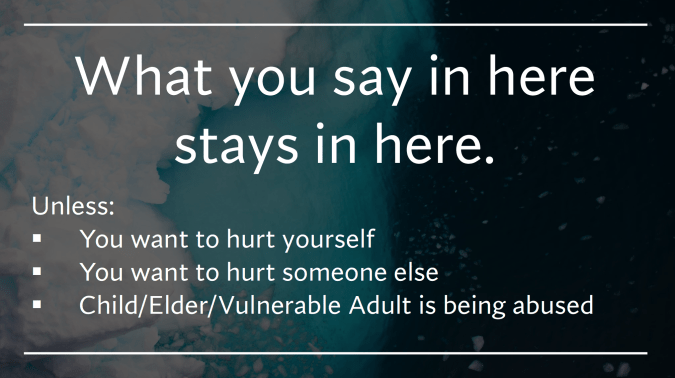
Concerned about confidentiality?
What questions should you ask a therapist?
Is your therapist first responder competent?
Unexpected Self Care
Sometimes we are in such a rush we get out in front of ourselves and lose touch with the present moment. That can look like skipping out on basic needs like food, water, rest, exercise, or even going to the bathroom! We become so engrossed in completing our to-do lists that we forget to check in, attend to our needs, recognize opportunities to appreciate our surroundings and express gratitude to the people that matter most to us.
The ability to seize these moments, lean into them and take a breath helps facilitate resiliency. These small moments can create a sense of balance, grounding, and connection, all vital for our survival and well-being.
A few months back, I was in a chronic hurried state of mind. I had known for some time that the pace and demand were not sustainable, and I was finally ready to make some giant leaps of faith. Guardian Wellness was just being established, and I was transitioning away from an agency and team I adored. It was overwhelming, sometimes feeling impossible, impracticable, and even scary.
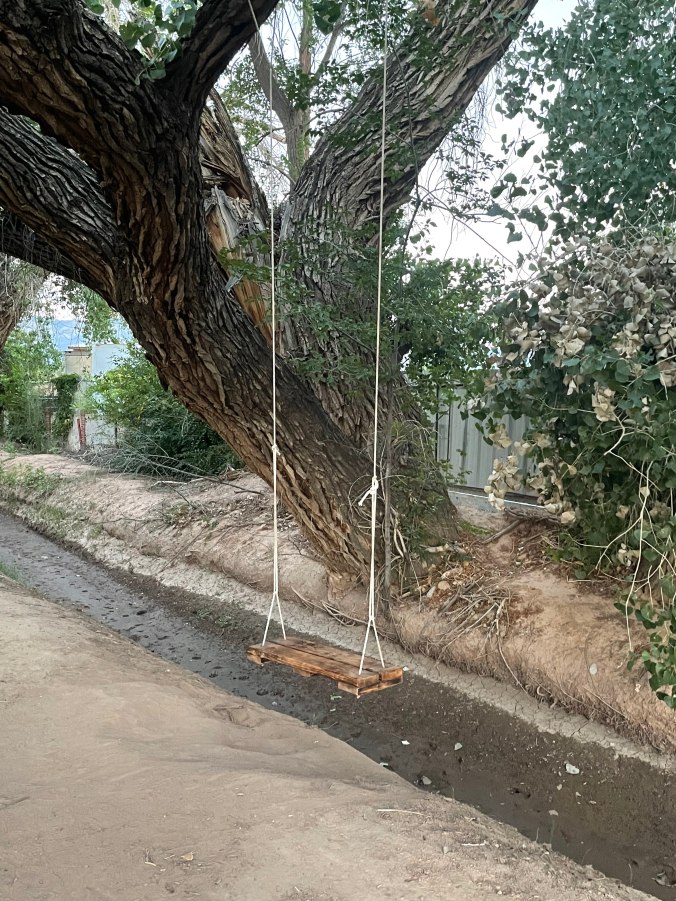
After a particularly difficult day, I needed comfort…for me, that is often found in nature. Listening to myself, I drove to the Bosque for a walk. A few minutes in, I came upon this tree swing. It was a welcome sight, and in under two minutes, I was giggling and filled with child-like enjoyment! I happily continued my walk but made a loop back to get a little more swing time in!
I am quite certain that we are always going to have a list of demands and priorities that we cannot possibly complete. Learning to be comfortable with an “in progress” status gives us a little more room to navigate and teaches us how to be responsive and flexible. So next time you see a random tree swing…swing on it! 🙂 ~Andie
The Practice of Gratitude
“Even in the midst of the greatest difficulties you will experience in life, you can always find things for which you are truly grateful.” ~Brian Tracy

Gratitude Overview
- Gratitude is “the appreciation of what is valuable and meaningful to oneself and represents a general state of thankfulness and/or appreciation” (Sansone & Sanson, 2010).
- Conceptually, gratitude has been viewed as an emotion that occurs after receiving assistance or as a dispositional “orientation towards noticing the positive in the world” (Wood et al., 2010). This dispositional or trait gratitude is positively associated with several measures of well-being, and there is evidence that it is possible to increase gratitude through practice which increases well-being.
Four A’s of Gratitude
- Appreciation – Take an opportunity to thank others for their service, thoughtfulness
- Approval – Give praise and approval for every big effort, suggestion, and or accomplishment
- Admiration – Compliment people on their traits and accomplishments and admire them.
- Attention – Listening patiently, thoughtfully, and without interruption.
The Gratitude Journal
- A grateful disposition – the kind of person who notices and appreciates the positive in the world is associated with greater physical and mental well-being.
- Grateful people experience more positive emotions, feel better about themselves, are less depressed, and are more satisfied with their relationships and overall lives.
- We can become more grateful through practice. There is good evidence that cultivating the practice of gratitude leads to increases in physical and mental well-being. Enhanced sense of optimism and hopefulness while reducing negative feelings like depression, worry, and physical symptoms of stress.
How to Keep a Gratitude Journal
- Write it down. Don’t just make a list in your head. Write about the people and things you are grateful for in your life. Keep a record so you can review it.
- Be specific. The more specific you are, the better. Elaborate in detail to deepen the process.
- Example: “I am grateful that my children are healthy and doing well in school; that I have a loving relationship with someone who truly cares for me” is better than “I am grateful for my family.”
- Focus on people. Focusing on people you are grateful to is more effective than writing about things.
- Savor surprises. Recording unexpected or surprising events tends to elicit stronger feelings of gratitude.
- Set your intention. Your motivation to be happier plays an important part in your development of gratitude.
- Like many things in life, the more you engage, the more you will get out of it – if you ‘go through the motions’ the practice will be less effective.
- Be consistent. Once you have set your intention to record things you are grateful for, honor your intention by sticking to it. Set aside fifteen minutes at a specific time of day or week to focus your attention on your gratitude journal. Please don’t overdo it. Writing occasionally (1-3 times per week) is more effective than writing daily.
 Guardian Wellness